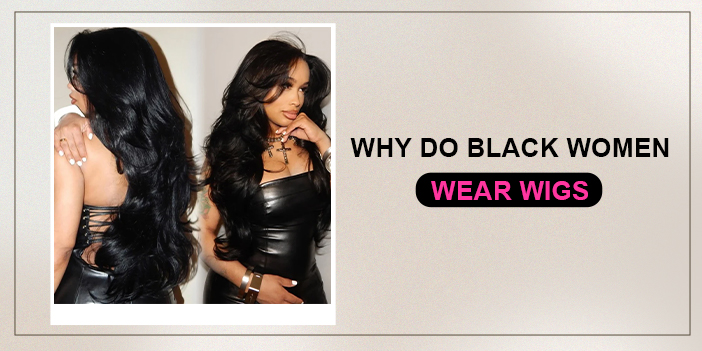
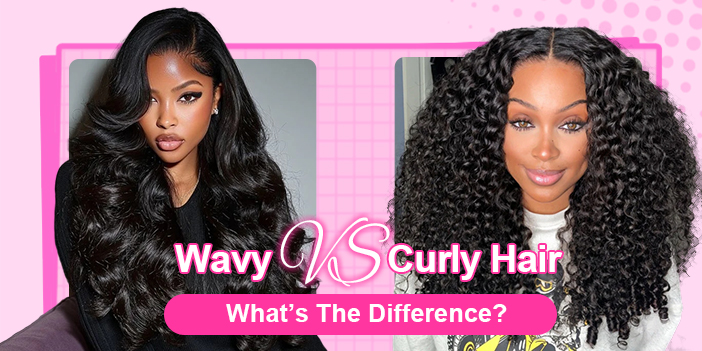
Wavy vs. curly hair, knowing the differences between both is vital before buying a wig or hair extension. If you are confused by them, please read the article. It clearly breaks down key distinctions between wavy hair and curly hair to help you find the perfect match and the ideal hairstyle for you.
What Is Wavy Hair?
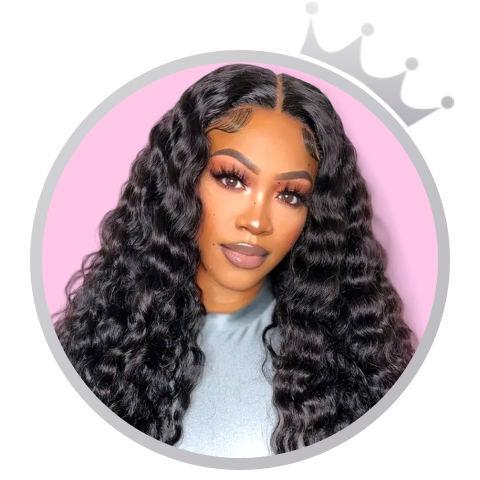
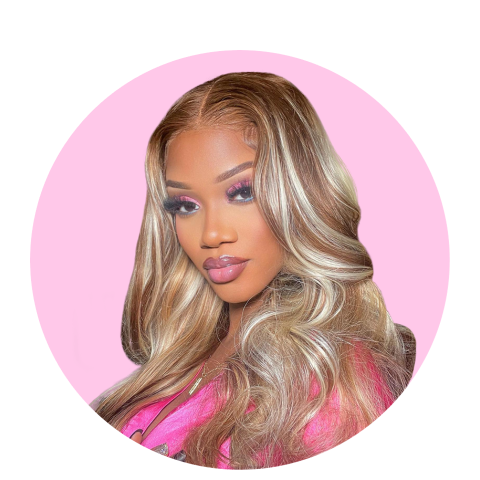
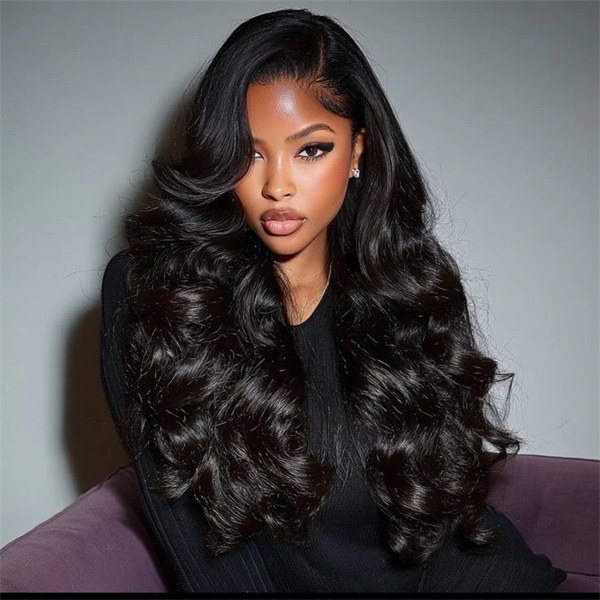
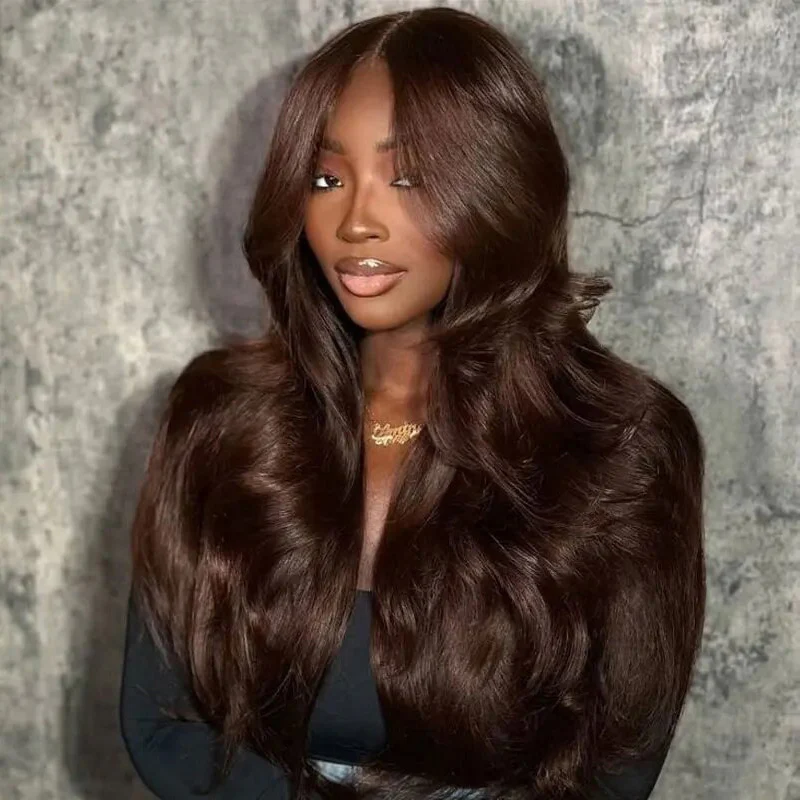
Wavy hair has a gentle bend. It forms a loose "S" shape between straight hair and curly hair. The waves are not tight circles; they look soft and relaxed and seem light. The wavy hair near your scalp can be flat. The wave becomes clearer further down the hair, adding the layers but not too much bulk.
Hot Wavy Hair Wigs
What Is Curly Hair?
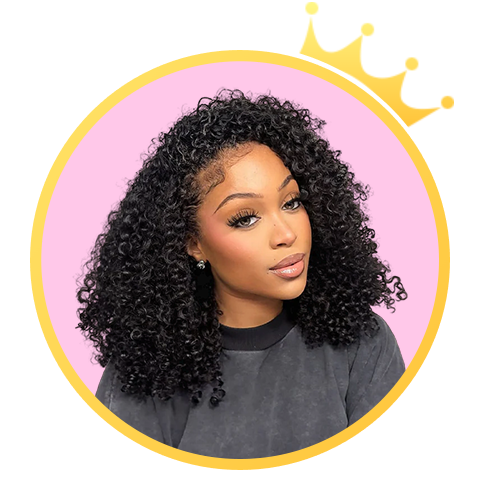
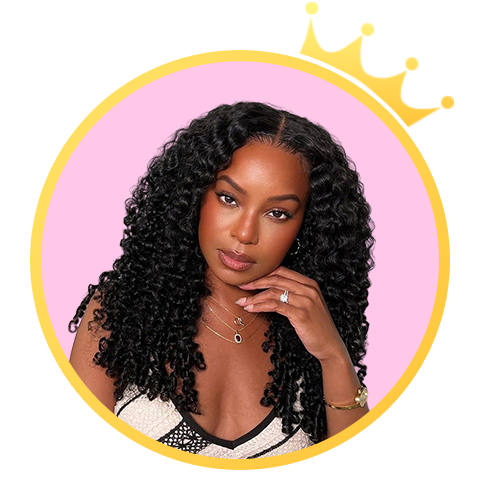
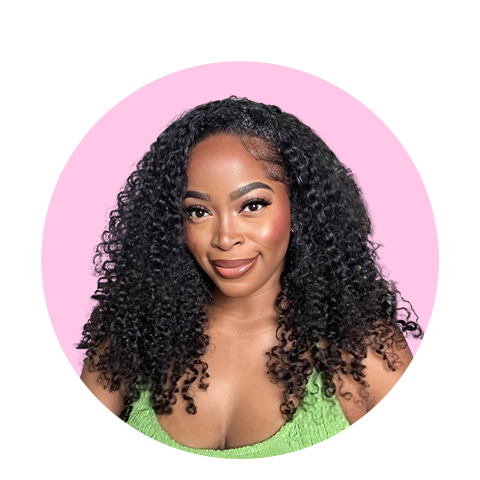
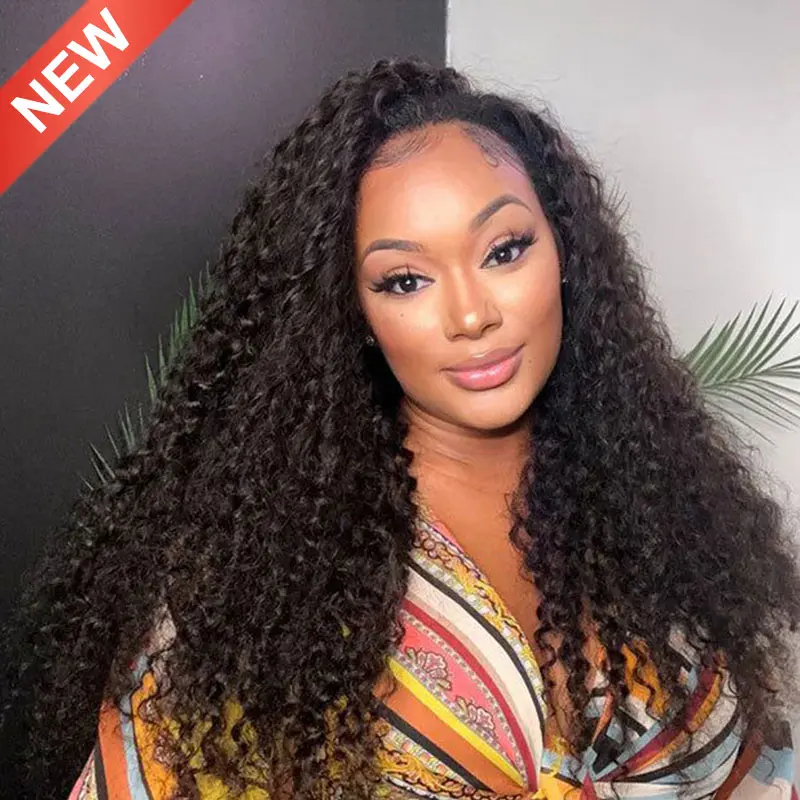
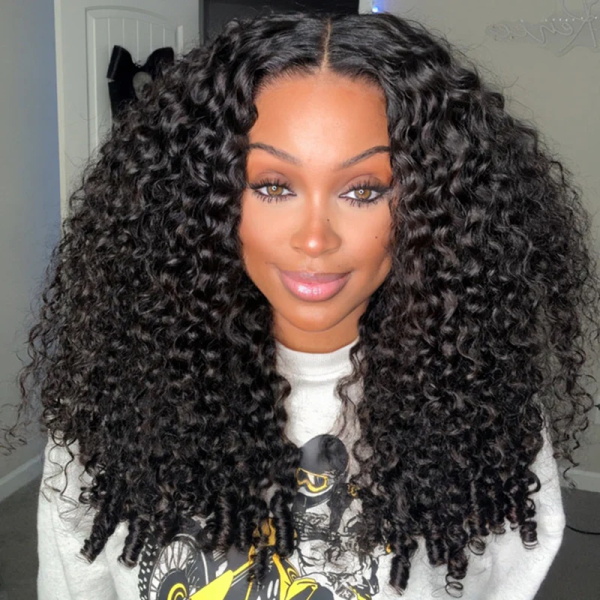
Curly hair forms tight clear rings or spirals. They often start right at the scalp. This hair looks very full and has a lot of bounce and volume. Curly hair requires more maintenance. You must keep your hair moisturized and maintain the definition of the curls while also controlling frizz. This applies to both natural curly hair and curly wigs.
Hot Curly Hair Wigs
Key Differences Between Wavy Hair And Curly Hair
1️⃣ Shape & Texture
Wavy hair forms loose S-shaped patterns that feel soft and flowing, appearing more relaxed and flexible.
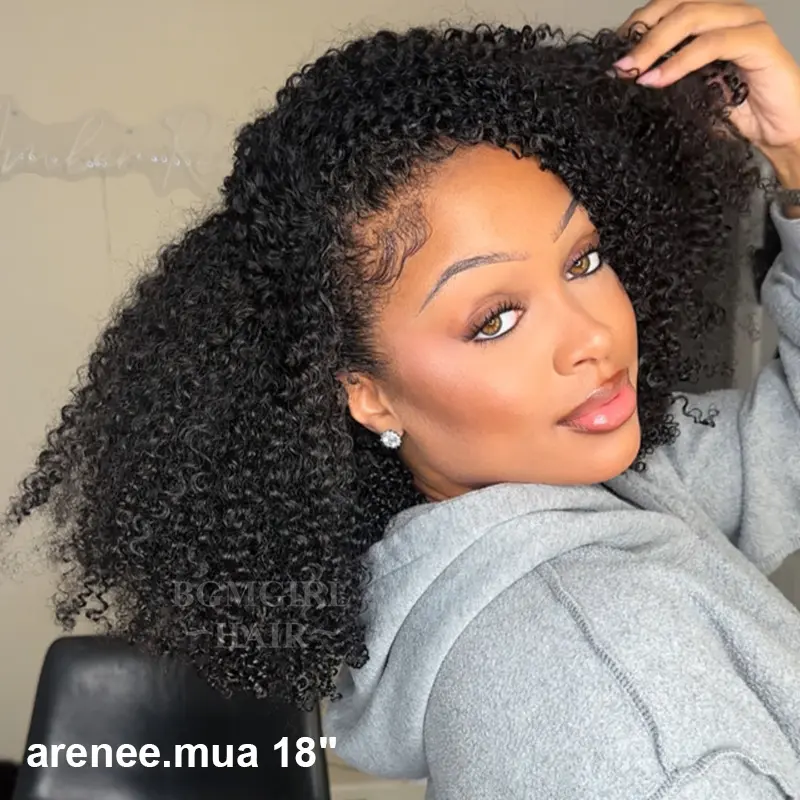
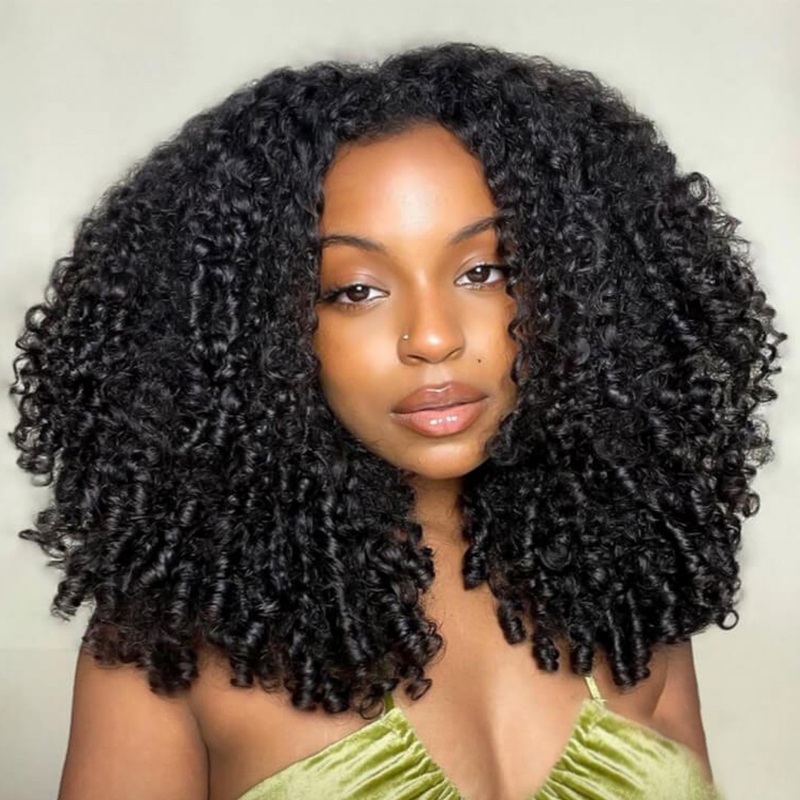
Curly hair creates tighter, springy spirals, ringlets, or corkscrew curls, creating a more structured and defined curl pattern.
2️⃣ Volume & Appearance
Wavy hair usually offers moderate, lightweight volume with a natural, effortless look.
Curly hair, due to its tighter curls, appears fuller and denser, creating a bold and eye-catching silhouette.
3️⃣ Porosity, Cuticles
Wavy hair has low to medium porosity, with cuticles that lie flatter and more aligned. This allows natural oils from the scalp to travel down the strand more easily, which can sometimes lead to a greasy or weighed-down look.
Curly hair typically has medium to high porosity. Its twists and turns cause the cuticles to be more raised, allowing moisture to be absorbed and lost quickly. This makes curly hair more prone to dryness and frizz.
4️⃣ Maintenance Difference
Wavy hair focuses on balance—avoiding both dryness and excess oil.
Curly hair, however, requires consistent hydration, gentle detangling, and curl-defining care to maintain bounce and shape.
5️⃣ Follicle Shapes
Hair grows from a follicle. The follicle's shape decides your hair type. A round follicle makes straight hair and a flat follicle makes curly hair.
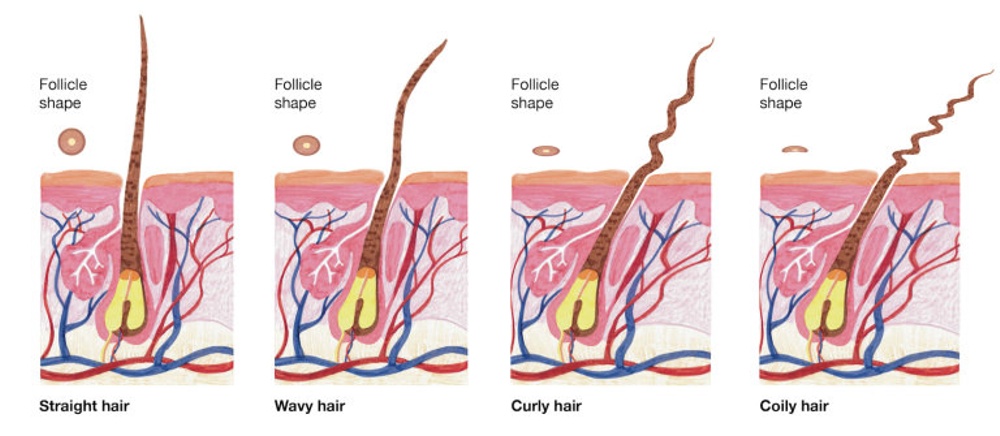
Types of Wavy and Curly Hair
We use a number system for hair types. They are, respectively, type 1 (straight hair), type 2 (wavy hair). type 3 (curly hair), and type 4 (kinky or coily hair).
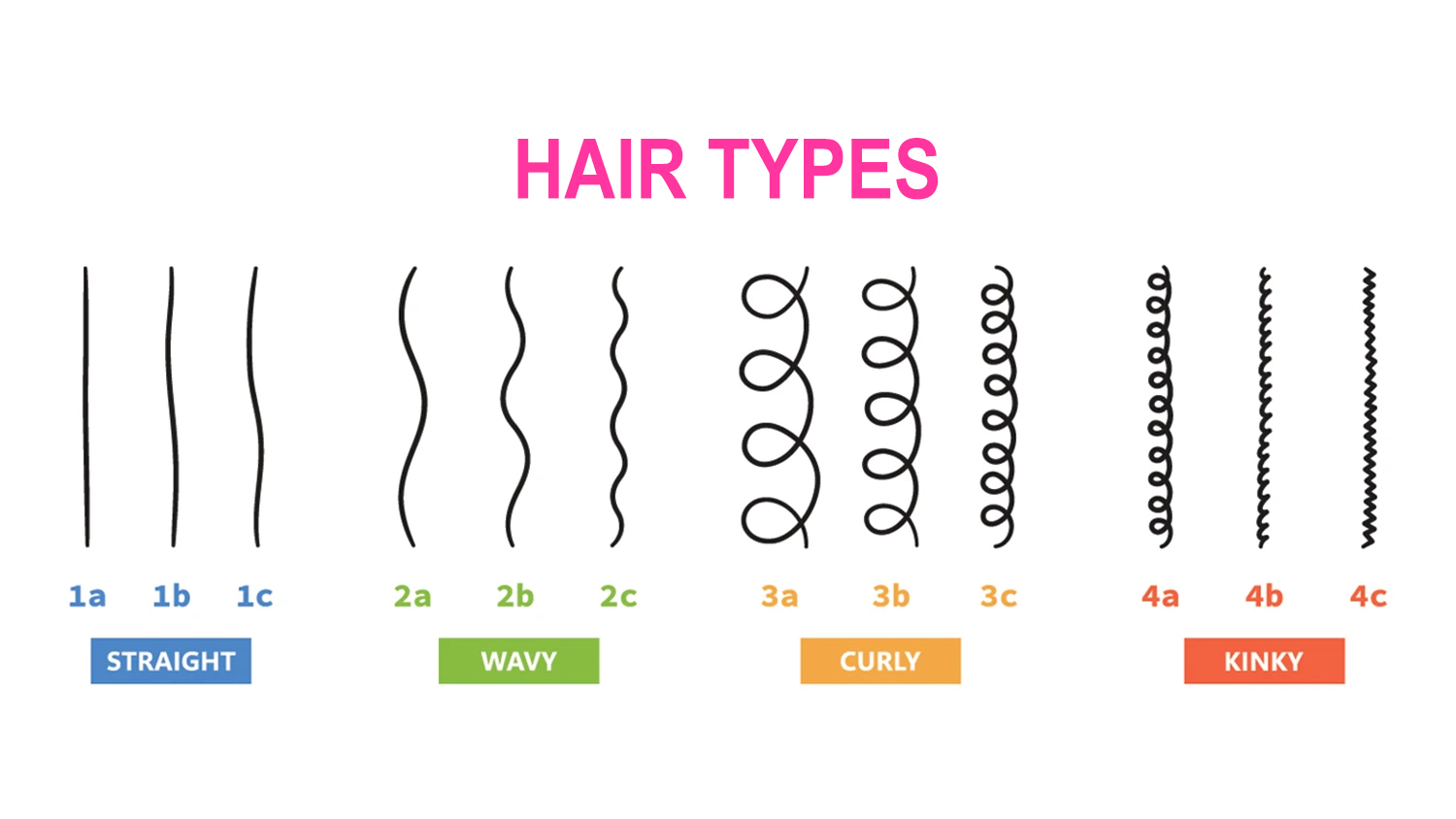
Type 2 is Wavy Hair.
Type 2A: Very soft, loose waves. Easy to manage.
Type 2B: Clearer waves. They start halfway down the hair.
Type 2C: Strong, thick waves. They start at the roots. Can get frizzy.
Type 3 is Curly Hair.
Type 3A: Big, shiny curls. They have movement.
Type 3B: Springy, bouncy ringlets. Very full.
Type 3C: Tight, small corkscrew curls. Very high volume.
How to Quickly Tell if Your Natural Hair Is Wavy or Curly
✅ Consider the degree of "shrinkage" in your hair: Curly hair shortens significantly after drying (for example, shoulder-length when wet but only reaching the ears when dry). Wavy hair, on the other hand, hardly shrinks at all.
✅ Observe the hair roots: Wavy hair usually starts to form waves further away from the scalp, while curly hair typically starts curling from the roots. So if your root of natural hair is a big volume, your hair is curly hair. If smaller root-volume, the hair is wavy.
✅ The "natural state" of your hair: If your hair is mostly straight after air-drying, with only some frizz or slight bends, then it's wavy hair. If your hair always tends to form curls or coils even after brushing, then it's curly hair.
✅ Wrap a strand of hair around your finger: If it forms a distinct spiral, it's likely curly hair; if it remains mostly straight or forms a loose "S" shape, then it's wavy hair.
How to Style Wavy Hair And Curly Hair
How to Style Wavy Hair
Wavy hair works best when it stays balanced. The hair needs shape, but the hair also needs freedom to move. I always start with damp hair. I use a lightweight leave-in conditioner. Heavy products make waves fall flat. I apply the product to the mid-lengths and ends. I stay away from the roots. This habit keeps the waves soft and lifted.
I style wavy hair with my fingers instead of a brush. Brushing pulls the wave pattern apart. I gently scrunch the hair upward. I give the waves time to form on their own. When I rush this step, the waves lose definition later in the day.
When I wear a wavy wig, I usually let it air-dry. Air-drying helps the waves look relaxed and natural. The texture stays loose. The hair does not feel stiff.
Sometimes I use a diffuser. I keep the heat low and the airflow soft. I dry the hair in short sessions instead of one long session. This method helps the waves hold their shape while still moving freely.
Wavy hair responds well to gentle care. Light products. Slow styling. Soft hands. These small choices make a clear difference.
How to Style Curly Hair
Healthy curls always start with healthy hair. This rule matters even more for curly textures. Curly hair needs moisture. Curly hair almost never gets too much hydration. Each curl depends on water to keep its shape, bounce, and shine.
I always treat moisture as the foundation of my routine. I choose products made for curly hair. I look for clean formulas with gentle ingredients. I avoid harsh additives. I use a deep conditioning mask once a week. This habit helps the curls stay soft and elastic. It also helps the hair hold moisture longer.
When I style curly hair, I start with very wet hair. Water helps curls group together naturally. This step makes a big difference. I apply curl cream in small sections. I use more product than I do on wavy hair. Curly hair needs that extra support.
I never brush curly hair when it is dry. Dry brushing breaks curl patterns fast. I learned this lesson through experience. One morning, I brushed a curly wig before heading to work. The curls turned into frizz within minutes. The style was gone.
I shape curls with gentle scrunching. I lift the hair upward with my hands. Sometimes I use the praying hands method. This technique smooths the outer layer and reduces frizz. For drying, I choose a diffuser. I keep my head tilted. I place the curls into the diffuser bowl. I let the curls dry without touching them. I wait until the hair is fully dry. This step protects the curl shape.
Curly hair rewards patience. Slow steps bring better results. When I respect the curl pattern, the hair always looks more defined and alive.
Choosing a Wig: Wavy or Curly Hair?
❤️ Think about your own hair: A wig that matches your real hair is easier to style. It blends better.
❤️ Think about your time: Do you want simple care? Choose wavy hair. Do you like styling? Choose curly hair.
❤️ Think about the look you want: Wavy hair looks relaxed and easy. Curly hair looks bold and glamorous.
❤️ Think about quality: Good quality is important. This is very true for curly wigs. Good hair keeps its shape. It tangles less. You can style it again.
Final Words on Wavy vs Curly Hair
After reading this article, we now understand some of the main differences between wavy hair and curly hair, as well as the answers to some common questions. We've become experts in this area! Now it's time to choose a wavy wig (water wave, body wave, loose deep wave, or deep wave wig) or a curly wig (kinky curly, afro curly, Burmese curly wig) from a wide range of best-selling human hair wigs in rich lace types: glueless wigs, half wigs, v part wigs, U part wigs, headband wigs, wigs with bangs, and hair bundles. These optimal human hair wigs are also affordable wigs, friendly to girls with a limited budget, allowing more women to enjoy effortless beauty.
Related Search: