


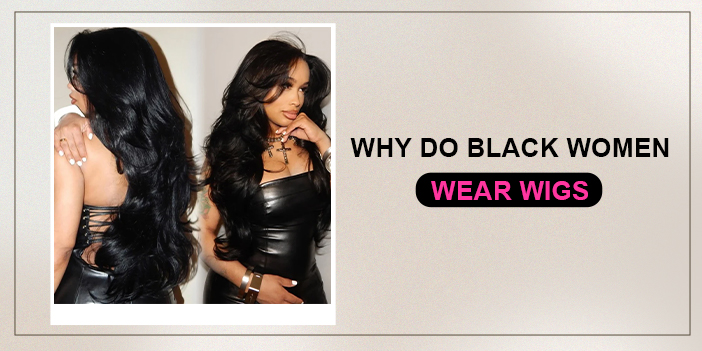
The question "why Black women wear wigs?" is becoming a compelling topic. It attracts two different perspectives: on one hand, there are curious observers from other cultures (non-Black groups such as Caucasians and Asians) who are systematically noticing this phenomenon for the first time on platforms like TikTok, Netflix, or in real life; on the other hand, there are potential wearers—young Black women (Gen Z) who want deeper insights before trying wigs themselves. Behind this question lies a complex interplay of history, culture, social factors, and personal choices.
Why Did Black Women Wear Wigs in the Ancient Times?
The history of Black women wearing wigs is a complex epic that blends cultural traditions, colonial trauma, racial politics, identity, and self-expression.
1️⃣ Indigenous African Traditions (Pre-Colonial Period)
Before the arrival of colonizers, various African ethnic groups commonly used wool, plant fibers, cotton, clay, and even hair shed by family members to add volume, lengthen hair, or create elaborate hairstyles. This can be seen as the functional origin of "wigs" whose purpose was artistic creation and cultural expression, rather than concealment or imitation.
2️⃣ The period of colonialism and slavery (16th-19th centuries)
This period marked a turning point in the history of Black women wearing wigs and the beginning of a painful chapter in Black wig culture. Enslaved Black people had their hair forcibly shaved, while non-enslaved Black people retained their natural hair. They began to experiment with wrapping their heads in scarves or using homemade methods (such as high-temperature ironing) to straighten their hair. This was because, at the time, straight, smooth hair was considered "good hair," while the naturally curly, thick hair of Africans was deemed "woolly," "uncivilized," and "unclean"—"bad hair."
3️⃣ Post-Emancipation Period (Late 19th Century - Mid-20th Century)
Even after the abolition of slavery, racial discrimination persisted for a time, and Black women still aspired to white aesthetic standards-straight hair. The invention of the "comb" and "hair straightening products": In 1905, Madam C.J. Walker popularized hair care products and hot comb straightening techniques specifically designed for Black hair. This greatly promoted the widespread use of hair straightening, making it easier and more common to imitate straight hairstyles.
High-quality human hair wigs (especially straight styles) became a shortcut for Black women (and some men) to quickly achieve "socially acceptable hairstyles." However, wearing wigs at this time was still an external adaptation, a response to racist aesthetic pressure, and a pursuit of social mobility and professional opportunities.
4️⃣ The Civil Rights Movement and the "Black is Beautiful" Movement (1960s-1970s)
This was a revolutionary turning point.
The Natural Hair Movement: The Civil Rights Movement and the Black Power Movement gave rise to the slogan "Black is Beautiful." During this period, if Black women wore straight wigs, it was considered a compromise with and betrayal of racial equality. People embraced natural afros, dreadlocks, and African-style curls. This was a powerful political statement, signifying a rejection of white aesthetic standards and a reaffirmation of African cultural heritage and the natural beauty of the Black body.
Why Do Black Women Wear Wigs Now?
Reasons Why Black Women Wear Wigs Now: A Multifaceted Choice
1️⃣ Limitations of Natural Hair
The tightly coiled texture of natural hair from Black women means it takes a long time to grow visibly longer—reaching shoulder length, for example, can often take seven to eight years or more.
During this long growth cycle, managing this type of hair becomes a heavy burden—these tightly curled strands are prone to tangling and knotting, requiring extra patience during combing to avoid breakage. Furthermore, this hair type is naturally dry and requires frequent washing, moisturizing, and styling, consuming a significant amount of time and energy every day. Even a slight neglect can lead to dryness and breakage.
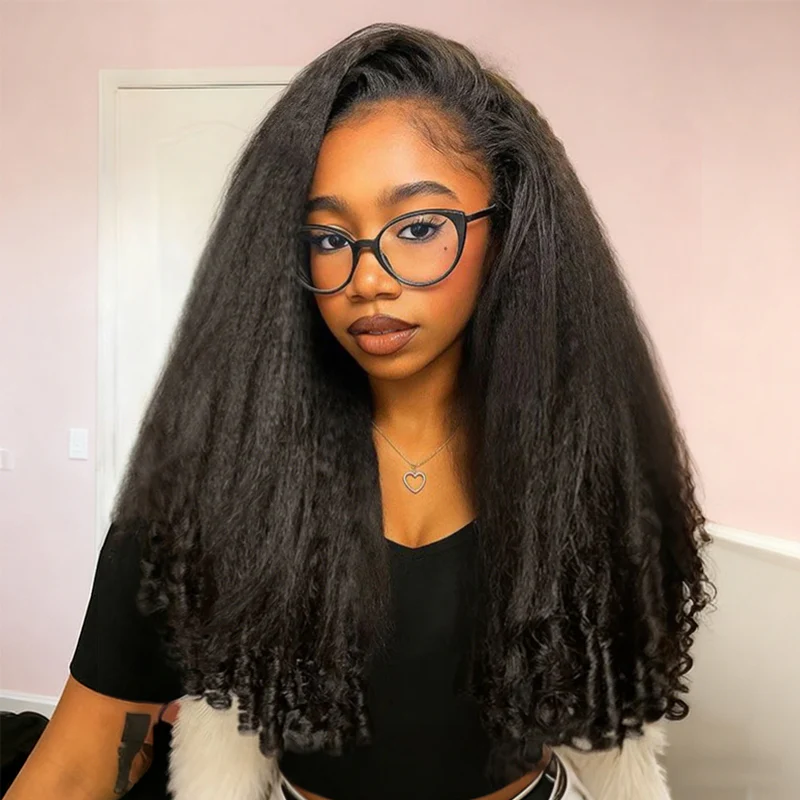
However, an wear go glueless 18 inch wig with a kinky straight or afro curly texture allows Black women to own a shoulder-length hairstyle with a bouncy and smooth texture in just a few seconds instead of 7-8 years.
2️⃣ Protective Styling
In daily life, Black women encounter many different occasions, such as Zoom meetings, friends' weddings, Christmas, and everyday routines. For these occasions, they might need different hairstyles to match. However, constantly changing their natural hair through perming or dyeing can be very damaging.
Wigs, like half wig, v part wig, m cap wigs, 7x5 lace wig, 360 lace wig and more wigs in the glueless wigs series, offer Black women a convenient solution. They allow them to quickly change their hairstyle and color without damaging their own hair. Wearing a wig enables Black women’s natural hair to rest underneath. This is a great way for them to protect their hair, keeping it healthy while still allowing them to try various new hairstyles.
There's also a very popular type of wig now called a "glueless, ready-to-wear" wig. This type of wig can be worn by Black women securely and comfortably without any adhesive. It not only avoids the potential irritation caused by glue but also makes protecting their hair easier and simpler for them.
3️⃣ Quick Glue-free and skill-free installation
Modern life moves fast. Between work, family, and personal time, spending hours on hair every week is not always realistic. Wigs help simplify daily routines. Many wigs now use clever designs that make them " wear and go wigs"—no fuss, no hassle. Mornings get easier: You can get ready in a jiffy without spending ages on your hair. Your hair and scalp can breathe underneath an optimal breathable 3D dome cap wig during the day, and taking the wig off at night lets your natural hair relax and stay healthy. For busy Black women juggling work, family, or a million things at once, wigs are a no-brainer. They help you look put-together for any occasion without the time crunch.
4️⃣ Medical Reasons
To cope with various types of hair loss (caused by stress, postpartum, illness, or chemotherapy), many Black women choose wigs to help them regain their confidence and feel like their old selves again in their daily lives.
5️⃣ Self-Expression and Identity
For many Black women today, wigs are not about hiding who they are. They are about showing different sides of themselves. One day you may feel bold and confident with a short bob. The next day, you may want long curls that touch your shoulders. Wigs make that freedom possible. Hair becomes a form of self-expression, just like fashion or makeup. And having options means having control.
6️⃣ Workplace & Social Expectations
Whether in a corporate office or a social gathering, how you present yourself still matters. Some workplaces favor hairstyles that come off as sleek and professional, and wigs empower Black women to meet these standards without making permanent alterations to their natural hair texture.
7️⃣ Influence of Celebrities & Social Media
Social media and celebrities have also changed how wigs are viewed. Seeing Black women confidently wear wigs on red carpets, in music videos, and on everyday platforms has helped normalize them. Wigs are no longer a secret. They are a common and accepted beauty choice.
Core Difference: Black Women Wearing Wigs in the Past and Now
The most crucial difference in the historical and modern use of wigs lies in autonomy and intent.
Past: Wigs and straightened hair were often a forced response to violent racism and oppressive beauty standards. The goal was survival and gaining limited social mobility through imitation.
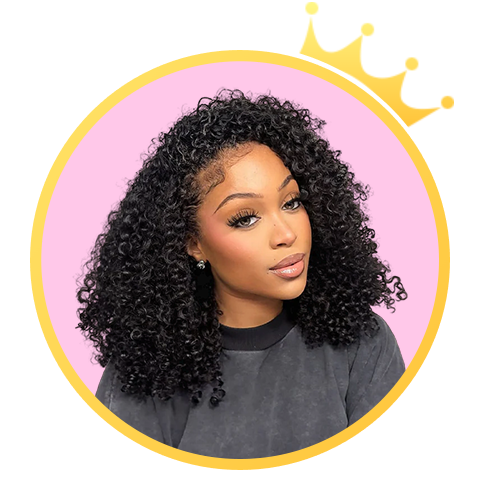
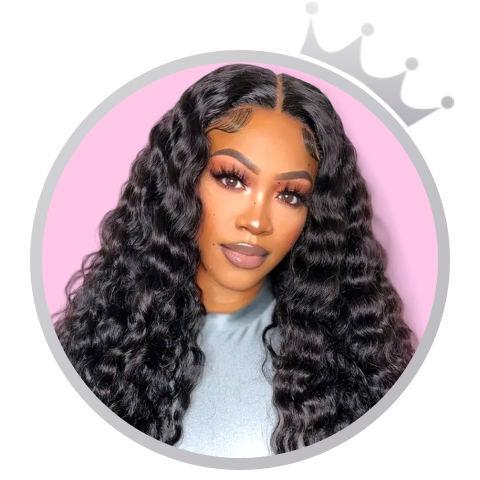
Present: For most Black women, it's a personal choice, allowing them to choose from a variety of options. A Black woman's hairstyle choices might include wearing natural hair, braids, twists, headwraps, straight wigs, or curly wigs—all potentially within the same month. This choice is situational and based on personal preference.
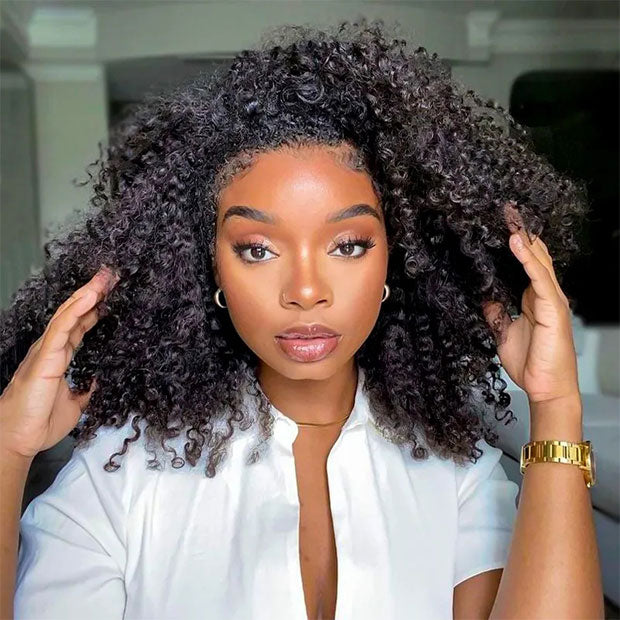

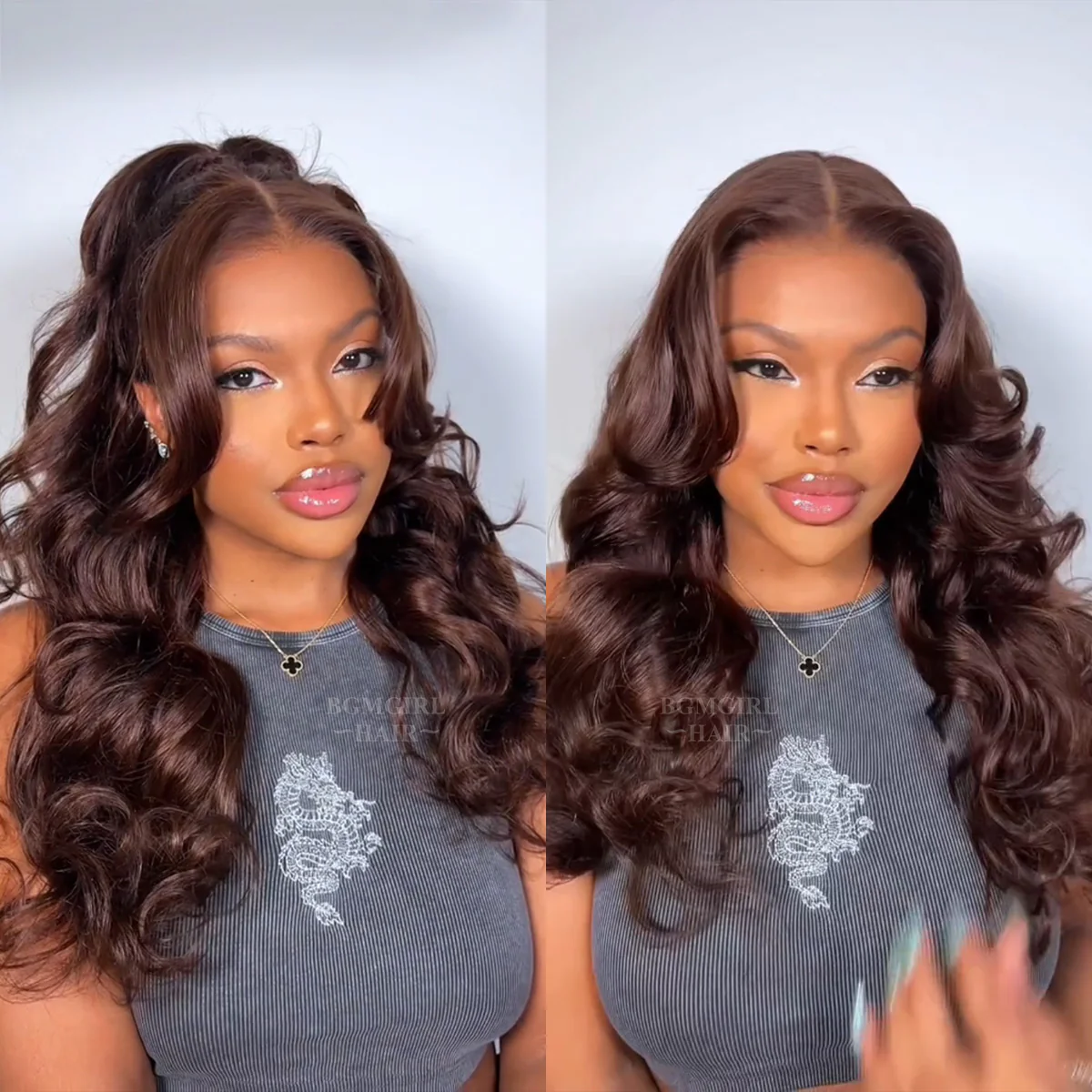
Best Wigs For Black Women To Wear

FAQ About Black Women Wearing Wigs
Does Wearing Wigs Cause Hair Loss?
No, wigs don't inherently cause hair loss, but improper installation will hurt our natural hair.
Glueless lace wigs emerged in the early 2000s. In the 2010s, some big wig brands, like BGMgirl Hair, pioneered pre-cut lace, pre-plucked hairlines and pre-bleached knots with ultra-soft, breathable HD lace, creating the iconic wear and go glueless wig we love today.
Final Words
After reviewing the whole blog, it is clear that the reasons Black women wear wigs have changed—from responding to social pressure in the past to expressing themselves today. If you weren't aware of these reasons before, you might have thought that Black women wearing wigs was a striking trend, but now we know that it's actually a practical and conscious choice based on lifestyle, convenience, hair protection, and self-expression.
Related Search:
Why Kinky Straight Half Wigs Suit Type 4 Hair Best?